Superfood Recipes & Cooking Tips
Discover the power of nutrient-dense ingredients and learn proven cooking techniques to transform your daily meals into exceptional nourishment.
Organic Ingredient Selection
Learn how to identify, source, and select the highest-quality superfoods from trusted suppliers. Understand seasonal availability and peak nutritional windows for maximum benefit.
Smart Cooking Methods
Master preparation techniques that preserve nutrient density. From raw consumption to gentle steaming and nutrient-locking roasting, discover how cooking methods impact nutritional value.
Easy-to-Follow Recipes
Step-by-step recipes designed for busy households. Quick breakfast bowls, energizing lunches, and satisfying dinners—all built around superfoods and ready in 30 minutes or less.
The information on this site is for educational purposes only and does not constitute medical advice. Always consult a qualified healthcare professional before making health decisions.
Core Features of Our Approach
Ingredient Education
Deep dives into superfood profiles: nutritional composition, bioavailability, storage methods, and how different superfoods synergize together to amplify their benefits. Understand what makes a food "super".
- Micronutrient breakdowns
- Anti-inflammatory profiles
- Antioxidant rankings
Practical Recipe Library
A growing collection of tested recipes spanning breakfast, lunch, dinner, snacks, and beverages. Each recipe includes detailed ingredient lists, timing instructions, and tips for substitutions based on availability.
- Quick 15-minute options
- Meal prep guides
- Batch cooking strategies
Cooking Science
Evidence-informed guidance on preparation methods. Learn why certain cooking temperatures preserve vitamins, how soaking and sprouting enhance digestibility, and which techniques maximize nutrient absorption.
- Heat and nutrient charts
- Preparation methods
- Storage best practices
Nutritional Pairing Strategies
Discover food combinations that enhance nutrient uptake. Fat-soluble vitamins paired with healthy fats, iron-rich foods with vitamin C sources, and complementary amino acid profiles for complete proteins.
- Synergy combinations
- Bioavailability tips
- Absorption optimization
Kitchen Tips & Hacks
Actionable advice for home cooks. Equipment recommendations, time-saving techniques, menu planning frameworks, and solutions to common cooking challenges when working with nutrient-dense ingredients.
- Equipment guides
- Efficiency shortcuts
- Troubleshooting
Community & Sourcing
Guidance on building relationships with local producers, understanding farming practices, seasonal eating calendars, and ethical sourcing considerations. Connect with where your food comes from.
- Local sourcing guides
- Seasonal calendars
- Producer connections
Your Superfood Journey: The Process
Explore Superfood Profiles
Start by understanding the superfoods available to you. Read detailed articles about their nutritional content, traditional uses, and modern cooking applications. Learn why each ingredient earned its "superfood" status and how it can benefit your everyday eating.
From quinoa and chia seeds to leafy greens and berries, discover the full spectrum of nutrient-dense foods and their unique contributions to balanced nutrition.
Master Preparation Techniques
Learn how to prepare superfoods to maximize their nutritional value. Our cooking science section explains the impact of different methods—steaming, roasting, blending, fermenting—on nutrient retention and digestibility.
Get practical guidance on soaking grains, sprouting seeds, blanching vegetables, and other techniques that unlock hidden nutritional potential.
Implement Tested Recipes
Browse our recipe collection and select meals that fit your lifestyle. Whether you need quick weekday lunches or weekend meal prep projects, each recipe is designed to showcase superfoods while remaining practical for home cooks.
Follow step-by-step instructions, learn ingredient swaps, and discover how to adapt recipes based on seasonal availability and personal preferences.
Build Sustainable Eating Habits
Create a lasting relationship with superfood cooking. Our guides on meal planning, sourcing, storage, and kitchen organization help you maintain consistent access to nutrient-dense ingredients without overwhelming complexity.
Develop confidence in the kitchen and establish routines that make wholesome eating your everyday default rather than an occasional effort.
Recipes Overview
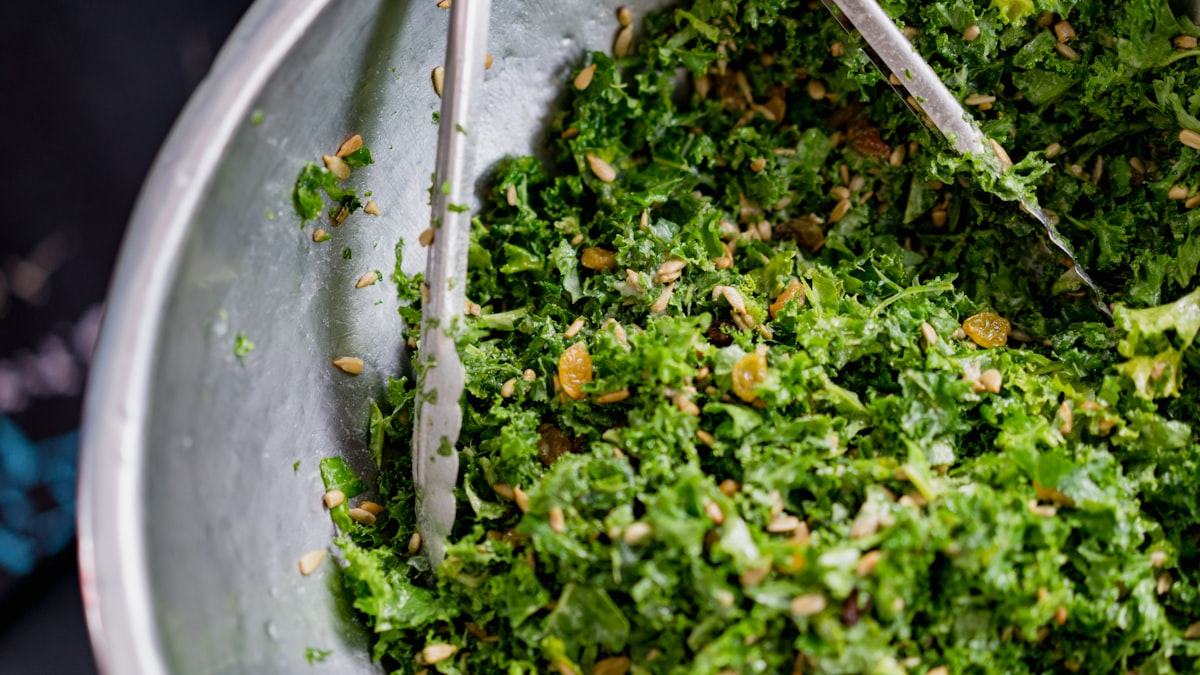
Breakfast & Smoothies
Wake up with energy. Recipes featuring superfood-packed smoothie bowls, grain-based breakfasts, and nutrient-dense morning options that set the tone for balanced nutrition throughout the day.
Explore Recipes
Salads & Vegetable Dishes
Celebrated salads and vegetable preparations showcasing leafy greens, cruciferous vegetables, and raw preparation methods that preserve heat-sensitive vitamins and enzymes.
Explore Recipes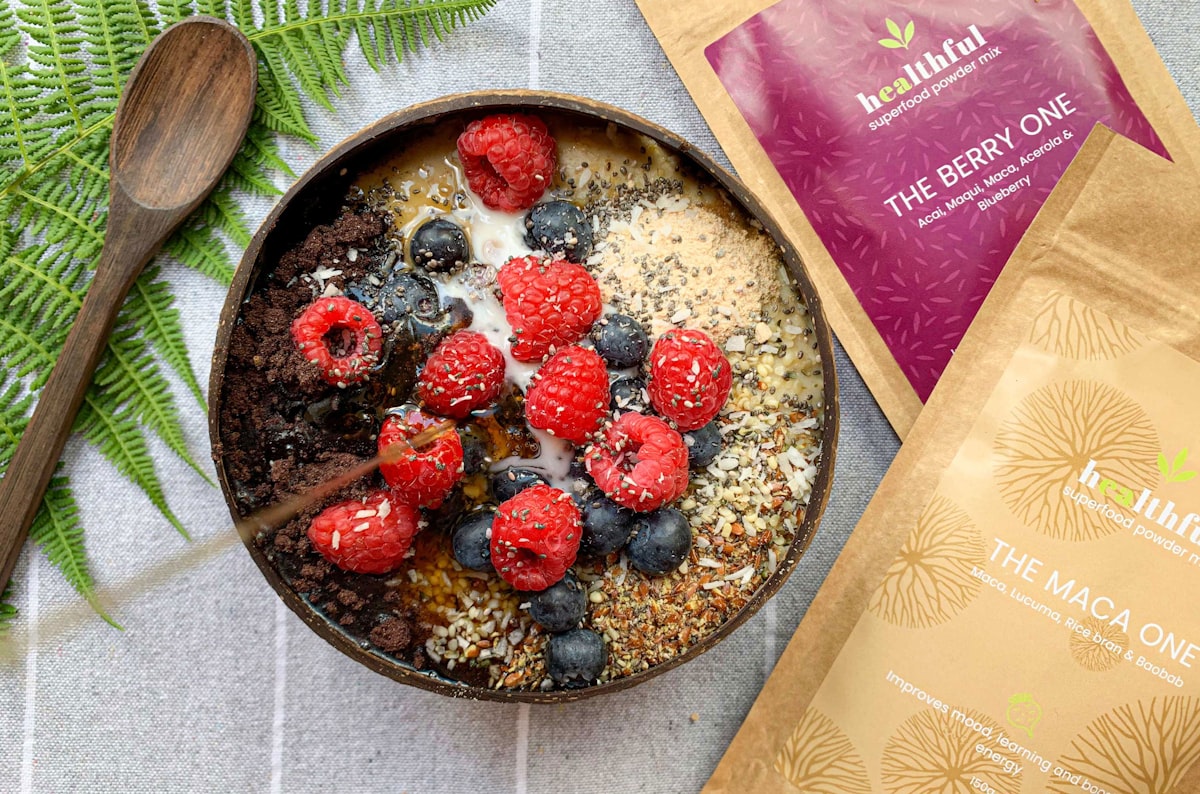
Mains & Protein Dishes
Satisfying main courses built around superfoods like legumes, whole grains, and nutrient-dense proteins. Designed for family dinners and meal prep batch cooking.
Explore Recipes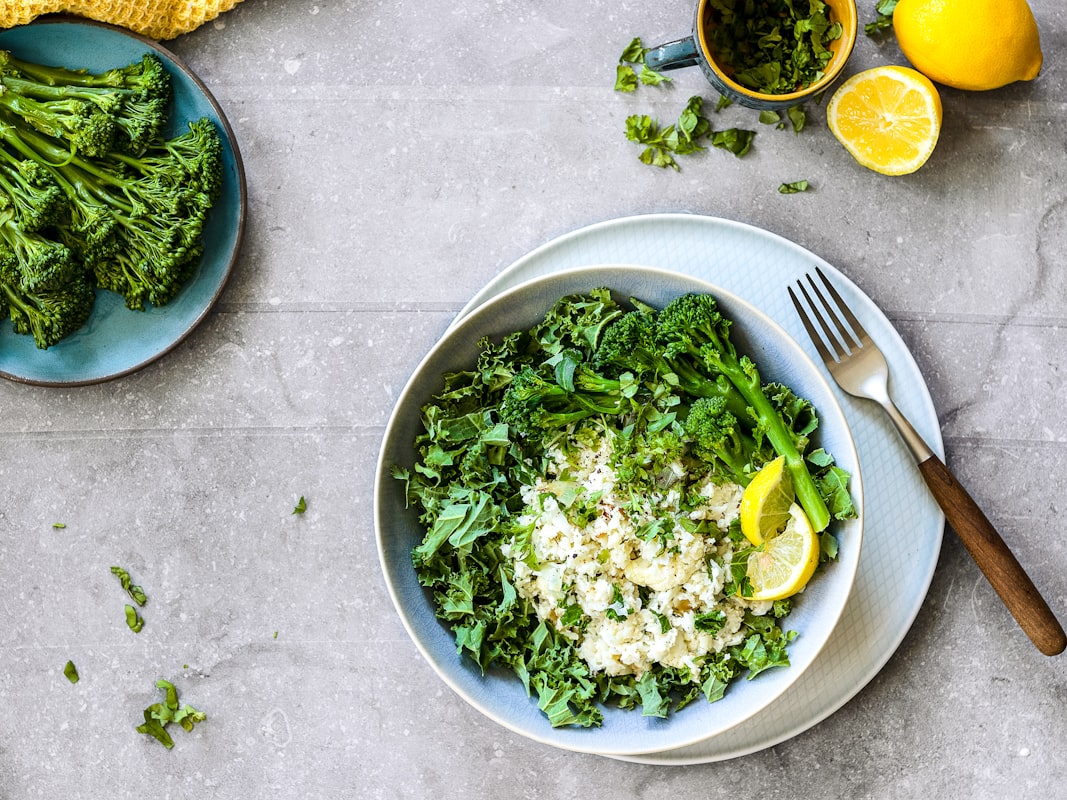
Snacks & Energy Foods
Quick bites and portable snacks featuring superfoods. Energy balls, nut-based options, and whole-food snacks that provide sustained nutrition between meals.
Explore Recipes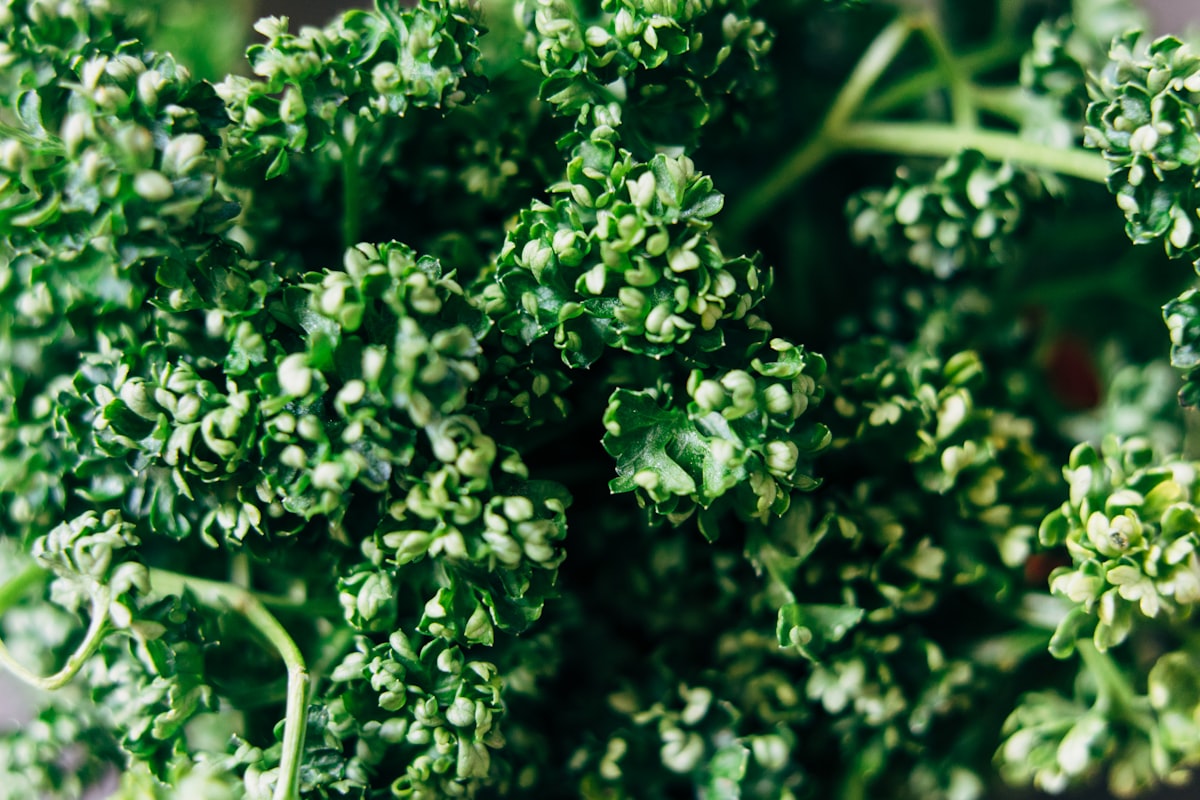
Beverages & Drinks
Hydration meets nutrition. Recipes for superfood-infused teas, medicinal broths, fresh juices, and functional beverages designed to support daily wellness routines.
Explore Recipes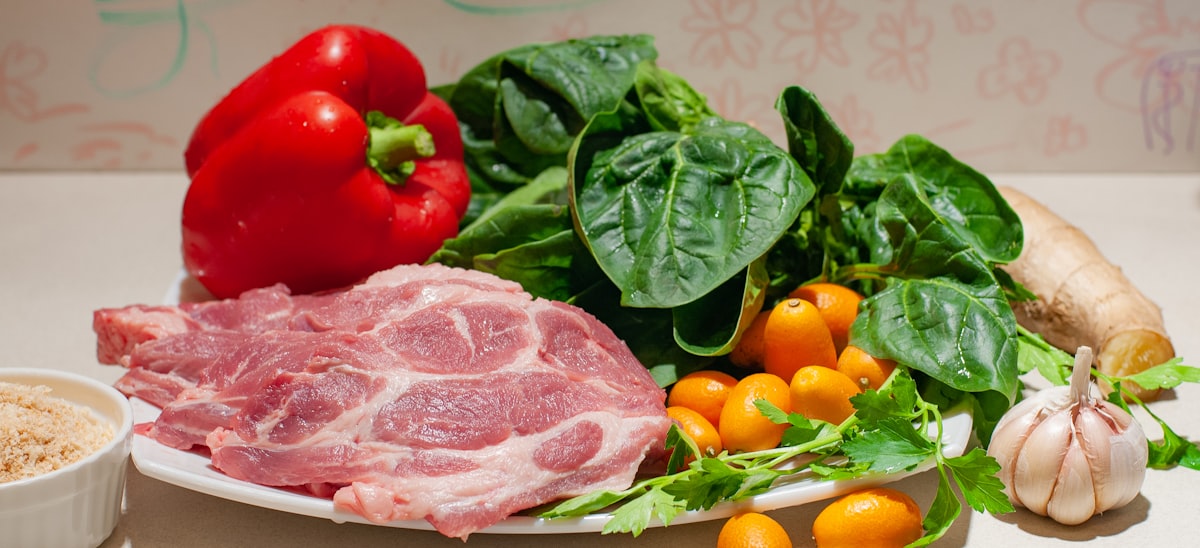
15-Minute Quick Recipes
Fast-track nutrition for busy schedules. Recipes that deliver superfood benefits without extensive prep or cooking time, perfect for weeknight dinners.
Explore RecipesFrequently Asked Questions
A superfood is an ingredient that offers an exceptional concentration of nutrients relative to its calorie content. Superfoods are typically rich in vitamins, minerals, antioxidants, and phytonutrients that support cellular health and physiological function. Examples include leafy greens like spinach and kale, seeds like chia and flax, berries high in anthocyanins, and whole grains with complete amino acid profiles. While no single food provides all nutrients you need, superfoods deliver disproportionate nutritional value compared to their volume.
Different cooking methods impact nutrients in different ways. Heat-sensitive nutrients like vitamin C and folate can diminish with prolonged cooking, making raw or lightly steamed preparations ideal for these vitamins. Conversely, some nutrients like lycopene in tomatoes become more bioavailable when cooked. Fat-soluble vitamins (A, D, E, K) require dietary fat for absorption, making cooking methods that incorporate healthy oils beneficial. Steaming, gentle roasting at moderate temperatures, and quick stir-frying generally preserve more nutrients than prolonged boiling or high-heat frying.
You don't need specialized equipment to cook with superfoods. Essential basics include sharp knives for proper chopping, a good cutting board, measuring tools, and standard cookware (pots, pans, baking sheets). For smoothies and blended preparations, a high-speed blender is helpful but not essential. For sprouting and soaking, glass jars work perfectly. As you advance, you might invest in food processors, dehydrators, or food mills for specialized preparations. Start with what you have and build your kitchen toolkit gradually based on the recipes you cook most frequently.
Storage depends on the specific superfood. Fresh vegetables like leafy greens prefer humidity and cool temperatures—store them in the crisper drawer of your refrigerator in breathable containers. Root vegetables last longer in cool, dark places. Nuts and seeds should be stored in airtight containers away from light and heat, preferably in the refrigerator or freezer to prevent oxidation. Grains and dried legumes keep best in sealed containers in cool, dry cupboards. Berries are best consumed fresh but freeze beautifully for later use. Always check package recommendations for processed superfoods like supergreens powders or dried fruits.
Yes, substitutions are not only possible but encouraged. The principle behind superfood cooking is working with nutrient-dense ingredients available to you. If a recipe calls for quinoa but you have millet, both are nutritious whole grains and will work similarly. If you don't have blueberries, other berries offer similar antioxidant profiles. When substituting, consider similar texture and flavor profiles to maintain the dish's integrity. Our recipe pages include substitution guides and notes on how ingredient swaps affect nutritional profiles, helping you adapt recipes to your preferences and local availability.
Building relationships with local producers is central to our philosophy. Farmers markets are excellent sources for seasonal vegetables and fruits grown nearby. Community-supported agriculture (CSA) programs connect you directly with farms and ensure seasonal eating. Many local producers now operate online ordering systems or delivery services. For pantry superfoods like grains, legumes, and seeds, specialty grocery stores and bulk markets often stock organic options. Your local health food store can recommend producers and organic certifications. Look for Preventive Meal School's sourcing guide on our website for location-specific recommendations in your region.
Stay Updated with Superfood Articles
Subscribe to our email list and receive new recipes, cooking tips, and ingredient profiles delivered straight to your inbox.
We respect your privacy. Unsubscribe at any time.
What Our Community Says
"Preventive Meal School transformed how I think about nutrition. The superfood recipes are easy to follow and incredibly delicious. I've never felt better!"
Sarah Martinez
Wellness Coach, Austin TX
"The ingredient profiles taught me so much about what I'm actually eating. Now I make smarter choices for my family's health every single day."
James Chen
Parent & Home Chef, Seattle WA
"As a nutritionist, I recommend Preventive Meal School to all my clients. The science-backed approach combined with practical recipes is unbeatable."
Elena Rodriguez
Registered Nutritionist, Miami FL
Frequently Asked Questions
Yes! We offer recipes marked for vegan, gluten-free, paleo, and keto diets. Each recipe includes clear dietary labels and substitution suggestions.
We publish new superfood recipes and ingredient profiles twice weekly. Subscribers get early access to content before it appears on our main site.
All our recipes are printable and can be saved as PDFs. Premium members also get access to our mobile app with offline functionality.
Yes! Our vibrant community forum is where members share tips, ask questions, and post their own superfood creations. It's moderated by nutritionists and experts.
Ready to Transform Your Health?
Join thousands of people discovering the power of superfoods and preventive nutrition. Start your journey with Preventive Meal School today.